Pragya Refrigeration

Author name: Rishabh Daga

Energy Efficiency blast-freezer-10
latest

Energy Efficiency in Blast Freezers: How We Help You Reduce Operating Costs

In industries like food processing, dairy, seafood, meat, and Quick Service Restaurants (QSRs), blast freezers are essential for preserving product quality and extending shelf life. But one concern we consistently hear from our customers is this: “Why is my electricity bill so high?” The answer often lies in energy efficiency. A blast freezer is a high-load machine, and if it is not designed or selected properly, it can significantly increase your operating costs. From our experience at Pragya Refrigeration, improving energy efficiency is not just about reducing power consumption—it’s about optimizing the entire system. In this blog, we’ll walk you through how energy efficiency impacts your costs and how we ensure our systems help you save in the long run. Why Energy Efficiency Matters in Blast Freezers A blast freezer typically operates continuously and handles heavy cooling loads. Even small inefficiencies can result in large energy losses over time. What inefficient systems lead to: On the other hand, an energy-efficient system ensures: 1. Proper System Design is the Foundation From our experience, the biggest mistake businesses make is ignoring system design. We always start with: If a blast freezer is oversized, it wastes energy. If it’s undersized, it overworks the system—again increasing power consumption.At Pragya Refrigeration, we design every system based on actual requirements, ensuring optimal performance without energy wastage. 2. High-Efficiency Components Make a Big Difference Energy efficiency depends heavily on the quality of components used. We focus on: Our Enzo branded IDUs & CDUs are engineered to deliver maximum cooling with minimum energy consumption. Because we manufacture them in-house, we ensure that every component works in perfect coordination, reducing energy losses. 3. Airflow Design: The Hidden Energy Factor Airflow is one of the most underestimated contributors to energy consumption. Poor airflow leads to: We design our blast freezers with: This ensures faster freezing cycles, which directly reduces power consumption. 4. Faster Freezing = Lower Energy Consumption It may sound counterintuitive, but faster freezing actually saves energy. Why? When freezing takes longer: Our approach focuses on rapid temperature pull-down, which: 5. Insulation Quality Plays a Critical Role One of the major reasons for energy loss is poor insulation. We ensure: Good insulation keeps the cold air inside and reduces the load on the system, resulting in significant energy savings. 6. Integrated System Approach (CDU + IDU + Blast Freezer) Energy efficiency is not just about the blast freezer—it’s about the complete system. We always design systems where: Because our Enzo branded IDUs & CDUs are developed with complete in-house engineering and R&D, we ensure seamless integration. Why this matters: 7. Smart Controls & Monitoring Modern blast freezers should not operate blindly. We recommend: These systems help: 8. Maintenance: The Most Ignored Cost Factor Even the most efficient system can become inefficient without proper maintenance. From our experience, common issues include: We always advise regular maintenance to: 9. Why In-House Manufacturing Matters for Energy Efficiency One of the biggest advantages we offer at Pragya Refrigeration is complete in-house manufacturing. From: Everything is done under one roof. Why this impacts energy efficiency: When all components are designed and built together, the system runs more efficiently compared to assembled or outsourced setups. 10. Cost vs Long-Term Savings We always tell our customers: Don’t just look at the initial price—look at the lifetime cost. An energy-efficient blast freezer may have a slightly higher upfront cost, but it offers: Over time, the savings far outweigh the initial investment. Common Mistakes That Increase Energy Costs We’ve seen many businesses unknowingly increase their costs by: Avoiding these mistakes can significantly reduce operating expenses. Conclusion Energy efficiency in blast freezers is not a luxury—it’s a necessity for any business that wants to control costs and improve profitability. From our experience at Pragya Refrigeration, achieving energy efficiency requires the right combination of: With our in-house engineering, dedicated R&D, and end-to-end manufacturing, along with Enzo branded IDU & CDU systems, we ensure that every blast freezer we deliver is optimized for performance, reliability, and energy savings. What this means for you

Blast Freezer
latest

Key Factors to Consider Before Buying a Blast Freezer

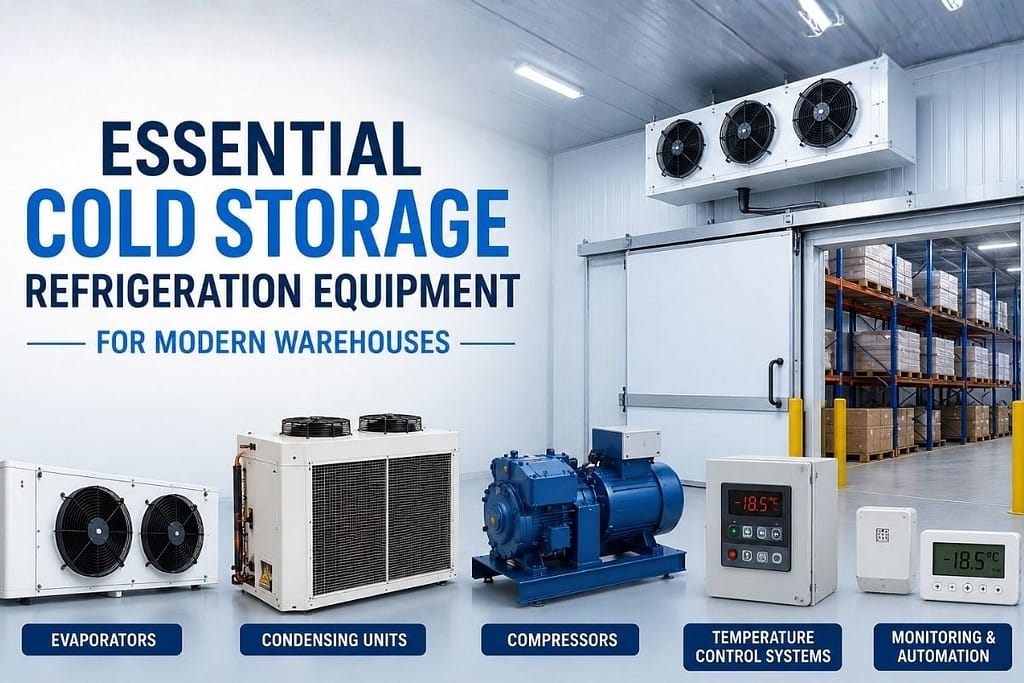
When we work with industries like food processing, dairy, seafood, meat, bakery, and Quick Service Restaurants (QSRs), one challenge comes up again and again—maintaining product quality while extending shelf life. A blast freezer is one of the most powerful solutions to achieve this. But from our experience, buying a blast freezer is not just about selecting a machine—it’s about making a long-term investment that affects your product quality, operational efficiency, and energy costs. We’ve seen many businesses choose equipment based only on price, and later struggle with performance issues, higher energy bills, and product losses. That’s exactly why we always guide our customers to evaluate the right factors before making a decision. 1. Cooling Capacity & Load Requirement The first thing we always analyze is your actual cooling requirement. If the blast freezer is undersized, it won’t achieve the desired temperature efficiently. If it’s oversized, you’ll end up paying unnecessary energy costs. What we consider We strongly recommend proper load calculation before finalizing any system. This ensures optimal performance and long-term efficiency. 2. Type of Product to be Frozen Every product behaves differently during freezing. For example: We always design solutions based on the specific product because using a generic system can compromise quality after thawing. 3. Freezing Time & Performance The core purpose of a blast freezer is speed. From our experience, faster freezing: We always focus on real performance, not just technical specifications on paper. 4. Airflow Design & Distribution This is one of the most critical yet overlooked factors. A well-designed airflow system ensures: At our end, we pay special attention to airflow engineering because it directly impacts product quality. 5. Energy Efficiency Energy cost is a major concern for every business. We always recommend looking at: A slightly higher initial investment in an energy-efficient system can save significant operational costs over time. 6. Build Quality & Insulation A blast freezer operates continuously in demanding conditions. That’s why build quality matters. We ensure: Good insulation not only improves performance but also reduces energy consumption. 7. Temperature Control & Monitoring Precise temperature control is essential for consistency and food safety. We recommend systems that offer: This helps maintain product quality across every batch. 8. Space & Layout Planning We understand that space is often limited, especially in urban facilities. That’s why we always evaluate: We also provide compact and customized designs to fit your operational needs. 9. Maintenance & Service Support Even the best systems require proper maintenance. We always design our systems to be: This ensures minimal downtime and long-term reliability. 10. Integration with Complete Refrigeration System A blast freezer is just one part of the entire refrigeration setup. It must work seamlessly with: We always focus on complete system integration to ensure smooth and efficient operation. Why Manufacturing Quality Matters (Our Approach) One important factor that we believe many buyers overlook is how the machine is actually manufactured. At Pragya Refrigeration, we focus on complete control over quality and engineering. Our Enzo branded IDUs & CDUs are developed with: Why this matters for you Because everything is built in-house, we ensure: What we ensure in every machine For us, it’s not just about delivering a machine—it’s about delivering a reliable solution. Cost vs Long-Term Value We always advise our customers not to focus only on the initial price. Instead, we evaluate: In most cases, a low-cost machine ends up being more expensive in the long run. Common Mistakes We See Buyers Make Over the years, we’ve seen some common mistakes: Avoiding these mistakes can save significant cost and operational challenges. Conclusion Buying a blast freezer is a critical decision that directly impacts your product quality, efficiency, and profitability. From our experience, the right system is not just about specifications—it’s about proper design, engineering, and long-term reliability. At Pragya Refrigeration, we focus on every detail—from load calculation to airflow design and from manufacturing to final testing. With our in-house engineering approach and Enzo IDU & CDU systems, we ensure that every machine we deliver meets high standards of performance and durability. Why this matters for your business

blast-freezing
latest

How Blast Freezing Increases Shelf Life of Perishable Products?

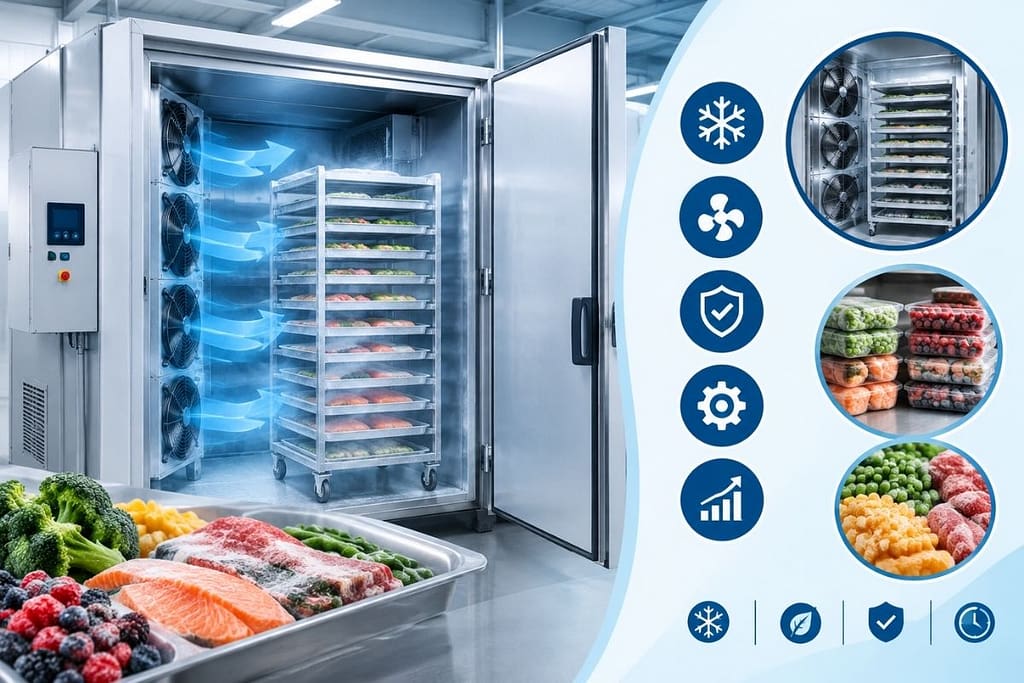
In industries dealing with perishable products—such as food processing, dairy, seafood, meat, and quick service restaurants (QSRs)—maintaining freshness is one of the biggest challenges. Products can spoil quickly due to microbial growth, temperature fluctuations, and improper storage conditions. Traditional freezing methods often fail to preserve the original texture, taste, and nutritional value of products. This is where blast freezing becomes a game-changing solution. Blast freezing is not just about freezing faster—it’s about preserving quality, extending shelf life, and reducing wastage. For businesses, it directly impacts profitability and operational efficiency. What is Blast Freezing? Blast freezing is a rapid freezing process where products are exposed to extremely low temperatures, typically ranging from -18°C to -40°C, using high-velocity cold air. Unlike conventional freezing, which slowly reduces temperature, blast freezing works quickly to bring the core temperature of the product down in a short time. How It Works This rapid process is the key to preserving product integrity. Why Shelf Life Matters for Perishable Products Short shelf life leads to: Extending shelf life allows businesses to: The Science Behind Blast Freezing To understand how blast freezing increases shelf life, it’s important to look at what happens during freezing. 1. Ice Crystal Formation In slow freezing: In blast freezing: 2. Reduction in Microbial Activity Microorganisms require favorable temperatures to grow. Blast freezing: 3. Enzyme Activity Control Enzymes can cause spoilage even at low temperatures. Blast freezing slows enzyme reactions, helping maintain: Key Ways Blast Freezing Increases Shelf Life 1. Rapid Temperature Reduction The faster a product is frozen, the less time it spends in the “danger zone” (where bacteria grow rapidly). This significantly increases shelf life. 2. Preservation of Product Structure By maintaining cell integrity, blast freezing ensures that products: This is especially important for meat, fruits, and bakery items. 3. Minimizing Moisture Loss Slow freezing leads to dehydration and freezer burn. Blast freezing: 4. Prevention of Bacterial Growth Rapid freezing slows down microbial activity, reducing the risk of contamination and spoilage. 5. Extended Storage Capability Products frozen using blast freezing can be stored for: Industries That Benefit from Blast Freezing 1. Food Processing Industry Used for freezing ready-to-eat meals, vegetables, and packaged foods. 2. Meat & Poultry Maintains texture, color, and freshness for longer durations. 3. Seafood Industry Prevents spoilage and maintains taste during transportation. 4. Dairy Industry Used for products like ice cream and frozen desserts. 5. QSR & Cloud Kitchens Enables bulk preparation and standardized quality across outlets. Business Benefits of Blast Freezing 1. Reduced Food Wastage Less spoilage means higher profitability. 2. Better Inventory Management Businesses can store products longer and plan supply efficiently. 3. Improved Product Quality Maintains taste, texture, and appearance. 4. Cost Savings Lower losses and optimized logistics reduce overall costs. 5. Scalability Supports centralized production and multi-location distribution. Blast Freezing vs Conventional Freezing Factor Blast Freezing Conventional Freezing Freezing Speed Very Fast Slow Ice Crystal Size Small Large Product Quality High Moderate Shelf Life Longer Shorter Moisture Retention Excellent Poor Common Mistakes to Avoid Even with blast freezers, improper usage can reduce effectiveness: Following best practices ensures optimal performance. Tips for Maximizing Shelf Life Future of Blast Freezing With growing demand for frozen and ready-to-eat food, blast freezing technology is evolving: Businesses investing in modern solutions gain a competitive advantage. Conclusion Blast freezing is a powerful solution for extending the shelf life of perishable products. By rapidly reducing temperature, preserving structure, and minimizing microbial activity, it ensures that products remain fresh, safe, and high in quality for longer durations. For industries dealing with perishables, adopting blast freezing is not just a technological upgrade—it’s a strategic move to reduce losses, improve efficiency, and scale operations.

ENZO Condensing Units
latest

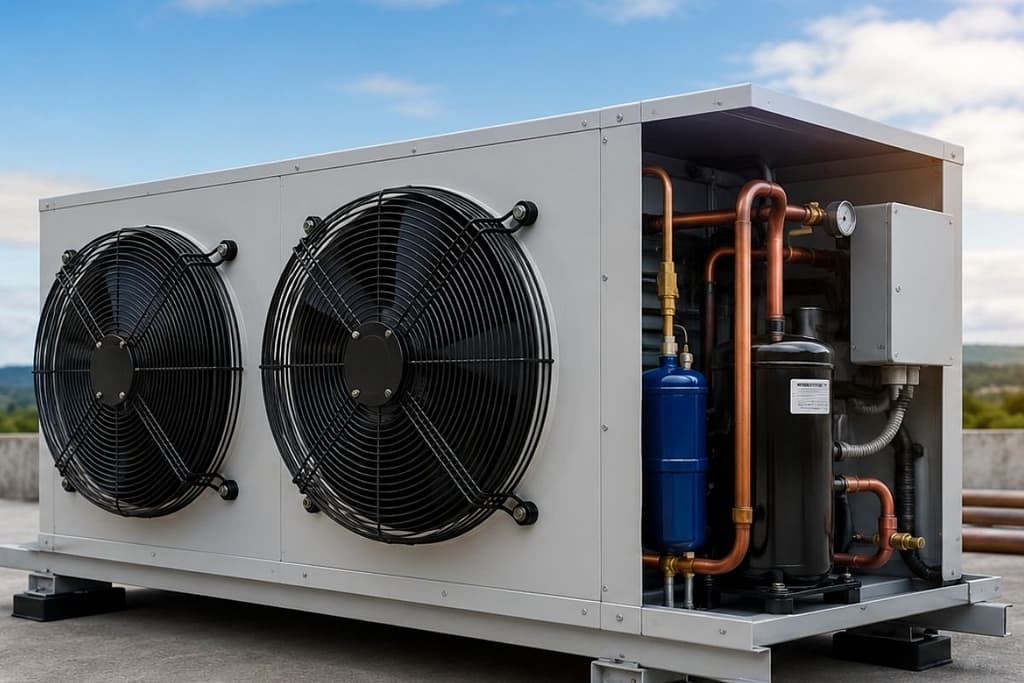
Cold Chain Solutions for QSRs: Role of CDU, IDU & Blast Freezers

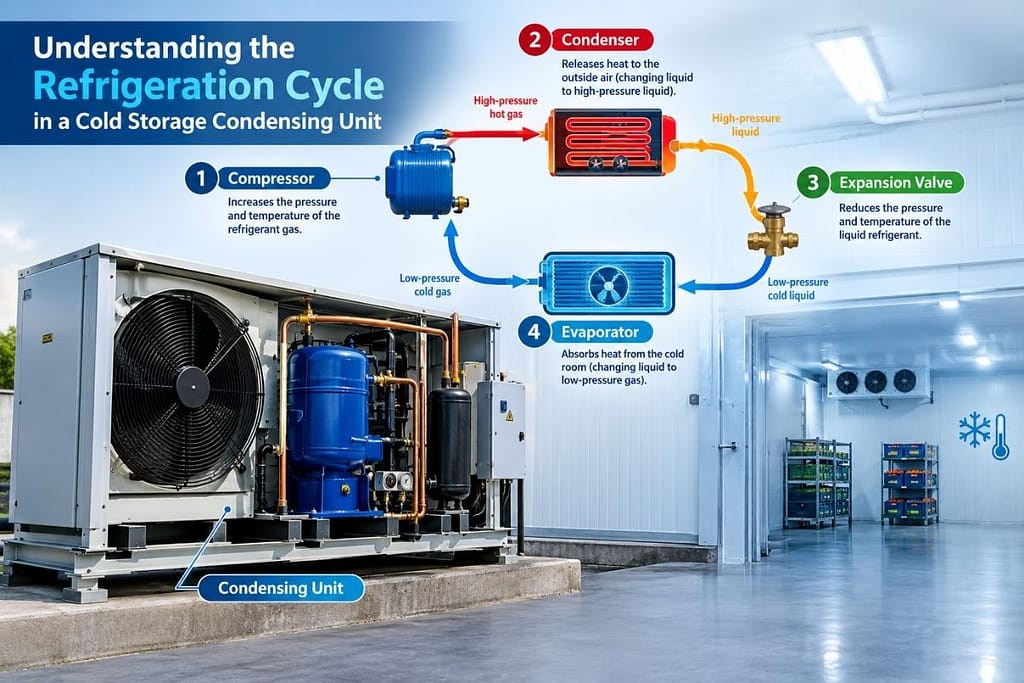
Why Cold Chain is Critical for QSR Success? The Quick Service Restaurant (QSR) industry operates on speed, consistency, and quality. Whether it’s a burger chain, pizza outlet, cloud kitchen, or dessert brand, one factor silently determines success or failure—cold chain efficiency. A broken or inefficient cold chain can lead to: In today’s competitive market, maintaining the right temperature from procurement to serving is not optional—it’s a necessity. This is where Condensing Units (CDU), Indoor Units (IDU), and Blast Freezers play a crucial role in building a reliable cold chain system. Understanding Cold Chain in QSRs A cold chain is a temperature-controlled supply chain that ensures perishable products remain fresh and safe from production to consumption. Typical Cold Chain Flow in QSRs: At each stage, temperature control is critical. Key Challenges Faced by QSRs in Cold Chain Management Before understanding the solution, let’s look at common problems: 1. Temperature Fluctuations Frequent door openings, poor insulation, or improper system design can lead to inconsistent cooling. 2. High Energy Consumption Inefficient systems increase electricity bills significantly. 3. Food Wastage Improper freezing or cooling leads to spoilage and shrinkage. 4. Space Constraints Urban QSR outlets often have limited space for refrigeration systems. 5. Scalability Issues As QSR chains expand, maintaining consistency across outlets becomes challenging. Role of Condensing Units (CDU) in QSR Cold Chain The Condensing Unit (CDU) is the heart of any refrigeration system. It is responsible for removing heat from the refrigerant and maintaining the cooling cycle. Why CDU is Critical for QSRs Applications of CDU in QSRs Key Features QSRs Should Look For Business Impact A well-designed CDU can reduce energy costs by up to 20–30% and improve system lifespan. Role of Indoor Units (IDU) in QSR Cooling Systems The Indoor Unit (IDU), also known as the evaporator, is responsible for distributing cold air inside the refrigerated space. Why IDU Matters Applications in QSRs Types of IDUs Used Key Selection Factors Business Impact Proper IDU selection improves cooling efficiency and reduces product spoilage. Role of Blast Freezers in QSR Operations Blast freezers are designed to rapidly freeze food products at extremely low temperatures, typically between -18°C to -40°C. Why Blast Freezing is Important Applications in QSRs Key Benefits Business Impact Blast freezers enable QSRs to standardize taste across multiple outlets. How CDU, IDU & Blast Freezers Work Together A high-performing cold chain system is not about individual equipment—it’s about integration. System Workflow Integrated Benefits Designing an Efficient Cold Chain for QSRs 1. Load Calculation Understanding cooling requirements based on: 2. Equipment Selection Choosing the right: 3. Layout Planning 4. Automation & Monitoring Energy Efficiency: A Key Concern for QSRs Energy costs are a major operational expense. Ways to Improve Efficiency ROI Impact Energy-efficient systems can significantly reduce monthly electricity bills. Common Mistakes QSRs Make Future Trends in QSR Cold Chain Conclusion: Building a Reliable Cold Chain for Growth In the QSR industry, consistency is everything. A strong cold chain ensures: Investing in the right combination of CDU, IDU, and Blast Freezers is not just a technical decision—it’s a strategic business move.