PRAGYA REFRIGERATION AND ELECTRICALS PRIVATE LIMITED

Industrial Condensing Unit

Air Cooled Condensing Unit
Latest

Air Cooled Condensing Unit: Working, Components, Applications, Benefits and Selection Guide

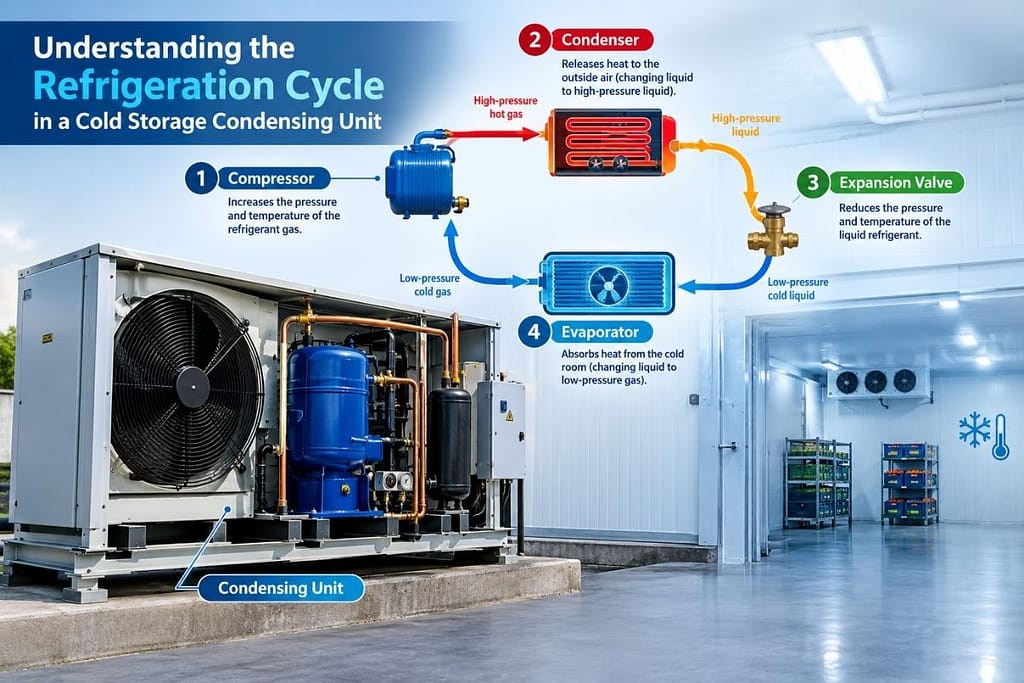
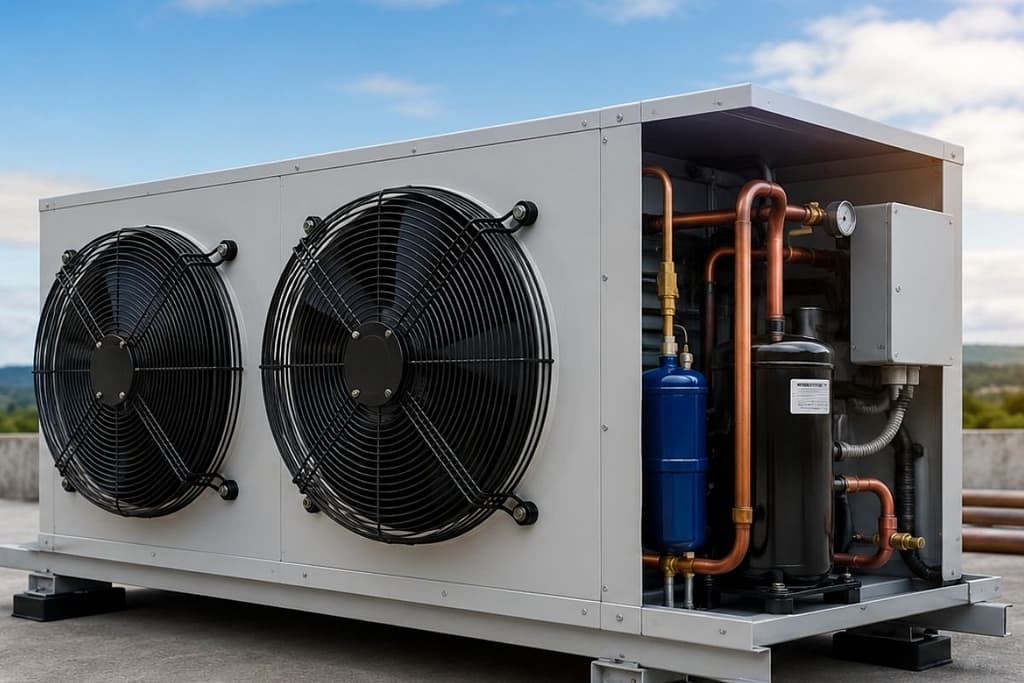
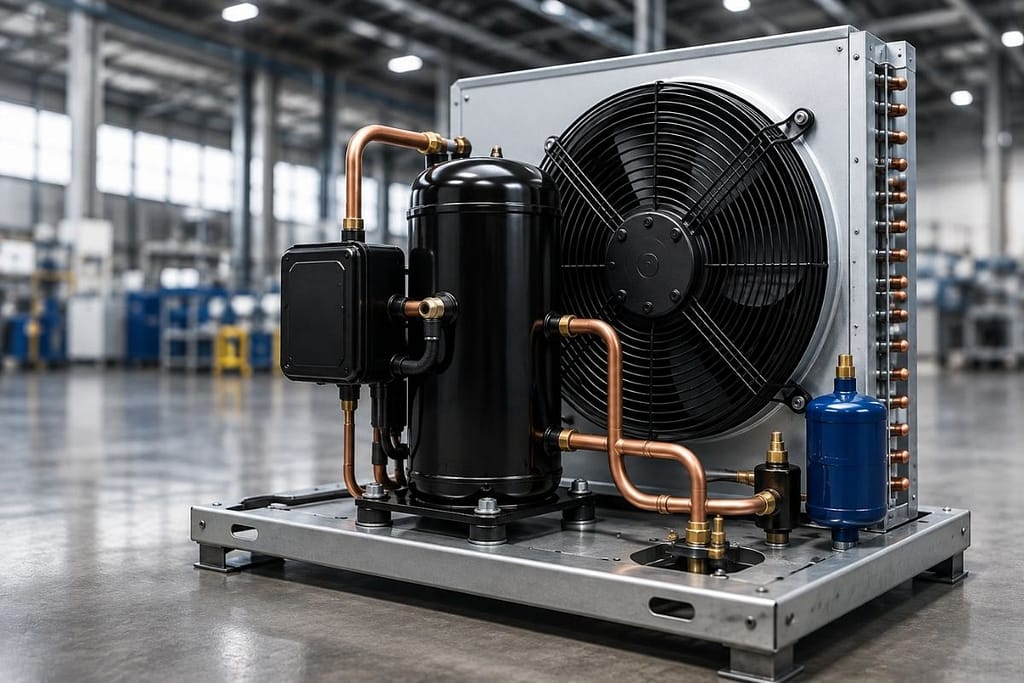
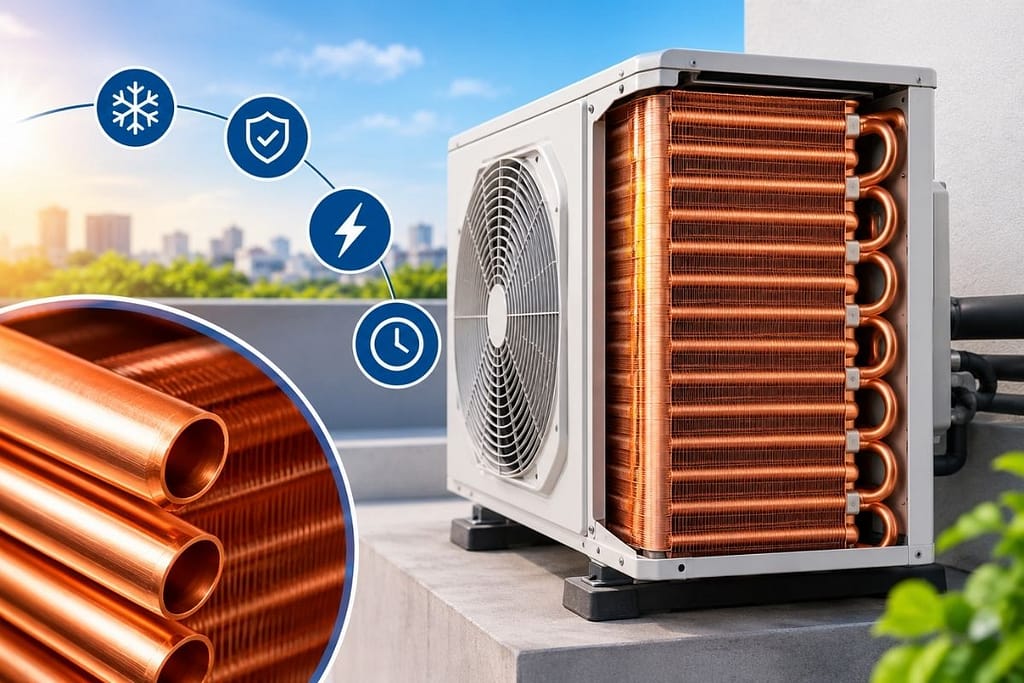
Quick Answer: An air-cooled condensing unit is a refrigeration assembly that uses ambient air to remove heat from refrigerant. It typically combines a compressor, air-cooled condenser, fan and controls. Introduction Refrigeration systems are an important part of India’s food processing, cold chain, dairy, pharmaceutical, hospitality and retail sectors. From cold rooms and frozen food stores to supermarkets and industrial refrigeration plants, reliable temperature control is essential for maintaining product quality and reducing spoilage. One of the most widely used solutions in these applications is the Air-Cooled Condensing Unit. It is designed to reject the heat absorbed by the refrigeration system into the surrounding air. Unlike a water-cooled system, it does not require cooling water or a cooling tower for condenser heat rejection. A typical condensing unit brings together major refrigeration components such as the compressor, condenser, condenser fan and associated safety and control devices. The evaporator remains at the cooling location, such as inside a cold room, while the condensing unit is generally installed outside or in a suitable machinery area. Danfoss describes the condensing unit as a combination that can include the compressor, condenser, receiver and associated electrical components. For Indian businesses, selecting the right unit is particularly important because refrigeration equipment may need to operate during periods of high ambient temperature. Condenser size, airflow, compressor capacity, refrigerant, operating temperature and installation conditions can all influence performance. What Is an Air Cooled Condensing Unit? An air cooled condensing unit is a packaged refrigeration assembly in which the compressor circulates and compresses refrigerant, while a finned condenser and fan reject heat to the surrounding air. The basic refrigeration cycle works as follows: In an air cooled condenser, heat transfer takes place between the refrigerant and moving ambient air. Forced airflow through the condenser coil is normally provided by one or more fans. Main Components of an Air Cooled Condensing Unit The exact configuration varies according to the manufacturer, capacity and application, but the major components generally include the following. 1. Compressor The compressor is the driving component of the refrigeration cycle. It draws low-pressure refrigerant vapour from the suction line and compresses it to a higher pressure and temperature. Depending on the application, condensing units may use scroll, reciprocating, semi-hermetic or other compressor technologies. Copeland, for example, offers scroll, semi-hermetic and hermetic condensing unit options for different refrigeration applications. 2. Air Cooled Condenser The condenser removes heat from the high-pressure refrigerant. It commonly consists of tubes and fins through which ambient air is moved by condenser fans. A properly sized condenser is particularly important in hot climates because the unit must reject heat even when outdoor temperatures are high. 3. Condenser Fan and Motor The condenser fan moves air across the condenser coil. Adequate airflow helps maintain appropriate condensing conditions and supports efficient refrigeration operation. Blocked coils, damaged fan blades or a faulty fan motor can restrict heat rejection and increase condensing pressure. 4. Liquid Receiver Depending on the design, a liquid receiver stores refrigerant in the liquid state and helps manage variations in refrigerant charge during operation. Not every condensing unit has exactly the same component configuration, so the manufacturer’s technical documentation should always be checked before installation or servicing. 5. Filter Drier A filter drier helps remove moisture and contaminants from the refrigeration circuit. Danfoss identifies filter driers as system-protection components that help remove moisture, acids and contaminants. 6. Pressure and Safety Controls Pressure switches, electronic controllers, overload protection and other safety devices may be incorporated to protect the compressor and refrigeration system. These controls can help respond to abnormal operating conditions such as excessive discharge pressure or low suction pressure. 7. Electrical and Control Components Depending on the model, the unit may include contactors, relays, control boards, terminal arrangements, fan controls and other electrical components. Modern systems can also incorporate electronic diagnostics and variable fan control to improve monitoring and operating efficiency. How Does an Air Cooled Condensing Unit Work? The working principle is based on the vapour-compression refrigeration cycle. Step 1: Heat Absorption The evaporator absorbs heat from the cold room, freezer, display cabinet or other refrigerated space. The refrigerant evaporates at a low pressure and temperature. Step 2: Compression The compressor receives the refrigerant vapour and compresses it. Compression increases the refrigerant’s pressure and temperature. Step 3: Heat Rejection The hot refrigerant enters the air cooled condenser. The condenser fan pushes ambient air across the condenser surface. Heat moves from the refrigerant to the surrounding air. As the refrigerant loses heat, it changes from vapour into liquid. Step 4: Liquid Refrigerant Flow The high-pressure liquid refrigerant moves towards the expansion device. The expansion device reduces its pressure before the refrigerant enters the evaporator. Step 5: Cooling Cycle The low-pressure refrigerant absorbs heat again inside the evaporator, and the cycle continues. This arrangement makes the condensing unit the key heat-rejection and compression section of many remote refrigeration systems. Applications of Air Cooled Condensing Units Air cooled condensing units are used across a wide range of refrigeration applications. Cold Rooms Cold rooms for fruits, vegetables, dairy products, meat, seafood and other temperature-sensitive products commonly use condensing units connected to a suitable evaporator. Food Processing Food processing facilities require controlled temperatures at different stages of production, storage and distribution. Properly selected refrigeration equipment can help maintain the required product conditions. Supermarkets and Retail Stores Display cases, walk-in coolers, freezers and other retail refrigeration systems can use air cooled condensing technology. Restaurants and Commercial Kitchens Commercial kitchens need refrigeration for ingredients, prepared food and frozen products. Compact condensing units can be suitable for many such installations. Dairy and Milk Chilling Milk collection and processing facilities require dependable refrigeration. Air cooled systems can be used in suitable milk chilling and cold storage applications. Pharmaceutical Storage Temperature-sensitive pharmaceutical products may require controlled storage conditions. The refrigeration system must be selected according to the required temperature range, load and applicable standards. Industrial Refrigeration Larger refrigeration installations may require an Industrial Condensing Unit designed around higher cooling loads, specific refrigerants and demanding

Essential Cold Storage Refrigeration Equipment for Modern Warehouses
Latest

Essential Cold Storage Refrigeration Equipment for Modern Warehouses

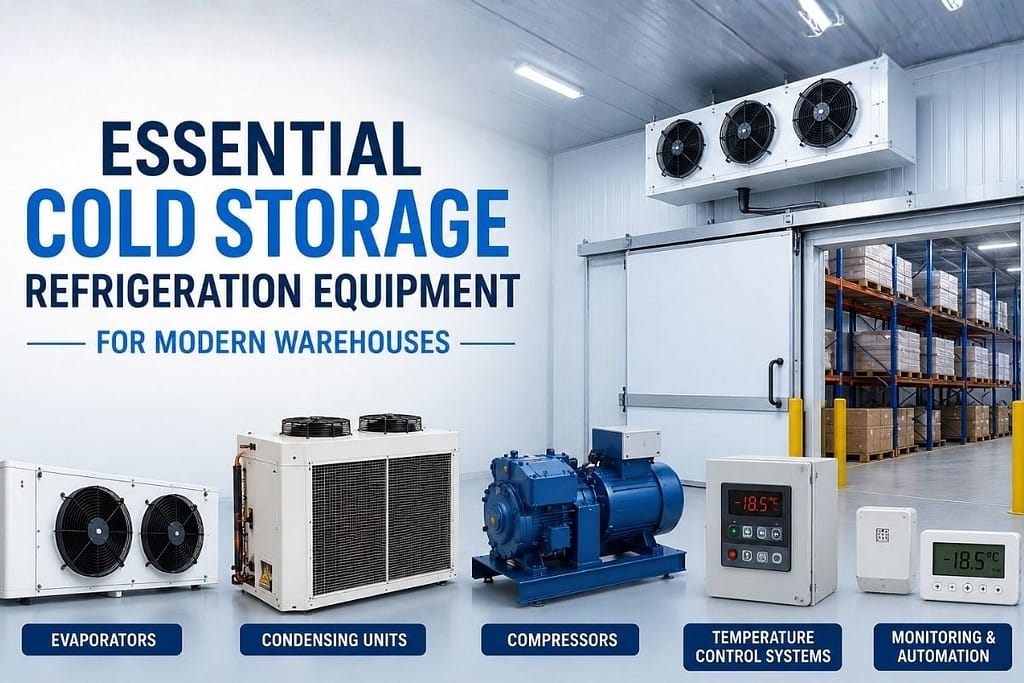
Quick Answer: Modern cold storage warehouses require reliable refrigeration equipment, including compressors, condensing units, evaporators, controls, and monitoring systems, to maintain precise temperatures, protect products and improve energy efficiency. Introduction Cold storage warehouses play an essential role in India’s food supply chain, pharmaceutical industry, dairy sector, agriculture, seafood exports and other temperature-sensitive businesses. From storing fresh fruits and vegetables to preserving vaccines, frozen foods and dairy products, these facilities depend on reliable refrigeration systems to maintain the required temperature and product quality. However, a cold storage facility is much more than an insulated room with cooling equipment. Its performance depends on selecting the right refrigeration equipment according to the storage capacity, product type, operating temperature, warehouse design and local environmental conditions. For example, a cold room storing fresh produce may operate between 0°C and 10°C, while a frozen food warehouse may need temperatures of -18°C or below. Each application requires a carefully designed refrigeration system capable of delivering consistent cooling without excessive energy consumption. This article explains the essential cold storage refrigeration equipment used in modern warehouses, their functions, applications and the factors businesses in India should consider when selecting a suitable system. Key Points 1. Compressors: The Heart of the Refrigeration System The compressor is one of the most important components in a cold storage refrigeration system. Its primary function is to compress the refrigerant vapour and circulate it through the refrigeration cycle. In simple terms, the compressor helps move heat from inside the cold storage facility to the outside environment. Different types of compressors may be used depending on the refrigeration capacity and application. These include: Smaller commercial cold rooms may use scroll or reciprocating compressors, while larger warehouses and industrial refrigeration facilities may require screw compressor systems. When selecting a compressor, businesses should consider the required cooling capacity, operating temperature, refrigerant compatibility, energy consumption and maintenance requirements. A properly sized compressor is essential. An undersized unit may struggle to maintain the desired temperature, while an oversized system can result in unnecessary energy consumption and frequent compressor cycling. 2. Condensing Units: Removing Heat Efficiently A condensing unit is responsible for rejecting the heat absorbed from the cold storage area. It generally combines important components such as the compressor, condenser coil and associated controls. For small and medium-sized cold rooms, a Commercial Condensing Unit can provide an integrated and practical refrigeration solution. These systems are commonly used in applications such as restaurants, food storage facilities, dairy units and smaller warehouses. Larger facilities may require an Industrial Condensing Unit designed to handle higher refrigeration loads and continuous operation. Industrial systems are particularly suitable for large cold storage warehouses, food processing plants, seafood facilities and distribution centres. The location of the equipment is also important. An Outdoor Condensing Unit is installed outside the cold storage building, allowing heat generated during the refrigeration process to be released into the surrounding environment. In India, ambient temperatures can become extremely high during summer, especially in industrial areas and northern, central and western regions. Therefore, condensing units should be selected with local climatic conditions in mind. Poor ventilation around outdoor equipment can reduce efficiency and increase energy consumption. 3. Evaporators: Delivering Cooling Inside the Cold Room While the condensing system removes heat from the refrigeration cycle, the evaporator is responsible for absorbing heat from inside the cold storage space. The evaporator coil contains refrigerant that absorbs heat from the surrounding air. Fans circulate the cooled air throughout the warehouse or cold room, helping maintain the required temperature. For large warehouses with significant cooling requirements, a High Capacity Evaporator can provide the necessary cooling performance and air circulation. Such equipment is particularly important in facilities where large quantities of products are stored or where frequent loading and unloading introduce additional heat into the facility. Air distribution should be considered carefully during system design. Uneven airflow can create temperature variations within the warehouse, resulting in warmer and colder zones. The evaporator should therefore be selected according to factors such as: Correct placement of evaporators can help ensure more uniform temperature distribution throughout the facility. 4. Low-Temperature Refrigeration Equipment for Frozen Storage Frozen food warehouses require specialised refrigeration equipment capable of operating efficiently at significantly lower temperatures. A low-temperature evaporator is designed for applications that require sub-zero storage conditions. These systems may be used for frozen meat, seafood, ice cream, ready-to-eat frozen products and other goods requiring low-temperature preservation. Low-temperature applications present additional challenges because frost can accumulate on evaporator coils. Defrost systems are therefore an important part of the overall refrigeration design. Common defrost methods include: The appropriate defrost system depends on the application, equipment design and operating conditions. Poorly managed frost can reduce heat transfer, restrict airflow and increase energy consumption. Regular maintenance and correct defrost scheduling are therefore essential. 5. Scroll Compressor Condensing Units for Efficient Applications A Scroll Compressor Condensing Unit is commonly selected for commercial and medium-capacity refrigeration applications because of its compact design and relatively efficient operation. Scroll compressors use two spiral-shaped components to compress refrigerant. Their design can provide smooth operation and fewer moving parts compared with some traditional compressor designs. These systems may be suitable for applications such as: The suitability of any refrigeration system should always be based on the actual cooling load calculation rather than simply choosing equipment according to room dimensions. 6. Refrigeration Controls and Automation Systems Modern cold storage facilities increasingly depend on automation and digital monitoring systems. Temperature controllers, sensors and programmable systems allow operators to monitor critical conditions and make adjustments when required. Important monitoring parameters may include: Automated monitoring can help warehouse operators identify temperature deviations before they result in significant product losses. For businesses storing pharmaceuticals, vaccines or other high-value temperature-sensitive products, continuous temperature monitoring and data recording may also be important for quality management and regulatory compliance. Remote monitoring systems can further allow facility managers to review refrigeration performance without being physically present at the warehouse. 7. Insulated Panels and Cold Room Infrastructure Refrigeration equipment cannot operate efficiently without proper

Scroll Compressor Condensing Unit
Latest

Factors to Consider Before Buying a Scroll Compressor Condensing Unit

An HVAC system that’s built right will run for years. The right unit means reliable cooling, lower energy bills, and fewer breakdowns down the line. Not every condensing unit fits every job. Cooling capacity, the environment it will run in, refrigerant compatibility, and how easy it is to maintain all matter before you buy. This guide walks through the factors worth checking so you end up with a system that handles both your current load and whatever comes next. 1. Determine Your Cooling Capacity Requirements Start with how much cooling your facility actually needs. An oversized or undersized unit wastes money either way — oversized units cycle too often, undersized ones can’t keep up. Factors that affect this include: Get the sizing right and the unit holds a stable temperature without burning through extra energy. 2. Evaluate Energy Efficiency Electricity is usually one of the biggest line items in refrigeration operating costs. Scroll compressors tend to run efficiently because they compress continuously rather than through the back-and-forth motion of a reciprocating compressor. When comparing models, check: A more efficient model often costs more upfront, but it usually pays that difference back over its service life. 3. Match the Unit to Your Application Different applications need different things from a condensing unit. Cold storage facilities need steady low temperatures. Food plants have to keep running, no interruptions. Pharmaceutical storage needs precise temperature control. Supermarkets can’t afford to go dark for even a few hours. A commercial condensing unit usually covers retail stores, restaurants, and supermarkets fine. Bigger industrial jobs need equipment built for heavier, round-the-clock loads. 4. Consider Ambient Operating Conditions Where you put the unit determines how well the condenser sheds heat. Before buying, check: Maximum outdoor temperature An Outdoor Condensing Unit needs to survive weather exposure and still reject heat efficiently when it’s 95 degrees out. Near the coast or in a humid climate, corrosion-resistant coatings aren’t optional. 5. Check Refrigerant Compatibility Regulations keep phasing out refrigerants with high Global Warming Potential (GWP), so it’s worth checking what a unit is built to run on before you commit. Common refrigerants include: Pick a unit compatible with newer refrigerants and you skip an upgrade later. 6. Assess Build Quality Construction quality has a direct effect on how long the equipment lasts.  Look for: Spend more on materials now, spend less fixing things later. 7. Noise and Vibration Levels Noise matters in commercial buildings, hospitals, hotels, and residential installations. Scroll compressors run quieter than reciprocating ones — fewer moving parts, a smoother compression cycle. Less vibration also means less wear on whatever’s connected to the unit. 8. Ease of Maintenance Regular maintenance keeps a system running efficiently for longer. Before buying, check whether the unit has: A unit that’s easy to service costs less to keep running. 9. Availability of Spare Parts and Service Support Even well-built equipment eventually needs servicing. Look for manufacturers that offer: Good after-sales support cuts down on downtime when something does go wrong. 10. Future Expansion Plans If you expect your cooling demand to grow, factor that in now. Planning for expansion can save you from replacing the whole system later. Businesses growing their cold storage or production lines are usually better off with equipment that scales. Industrial condensing units handle round-the-clock operation and heavier cooling loads without flinching. They’re built to take a beating too, which matters if expansion is on the horizon. 11. Installation Space Measure the installation area before you pick a unit. Things to check: Restricted airflow cuts into condenser efficiency more than people expect. 12. Total Cost of Ownership Purchase price is just one number. Look at the whole picture: A higher-quality unit often costs less in the long run — it burns less energy and needs fewer repairs. Final Thoughts Buying a scroll compressor condensing unit isn’t just a matter of comparing price tags. You’ve got to weigh cooling capacity, the application it’s going into, environmental conditions, energy efficiency, refrigerant compatibility, and how much maintenance you’re willing to sign up for. Get that right and you end up with a unit that cools reliably, costs less to run, and doesn’t quit on you early. A well-built unit from a manufacturer with solid support behind it tends to be the better investment over its full lifespan, even if it costs more at the outset. Frequently Asked Questions What size scroll compressor condensing unit should I choose? Depends on your refrigeration load, room size, storage temperature, and operating conditions. Skip the guesswork and get a professional load calculation done. Are scroll compressor condensing units energy efficient? Usually. Scroll compressors compress continuously and have fewer moving parts, so they tend to burn less energy than older compressor designs. How long does a scroll compressor condensing unit last? With decent installation and regular maintenance, most run 10 to 20 years. Usage and upkeep make the difference. Can these units go outdoors? Yes. Plenty are built for it, with weather-resistant construction meant to handle changing conditions.