
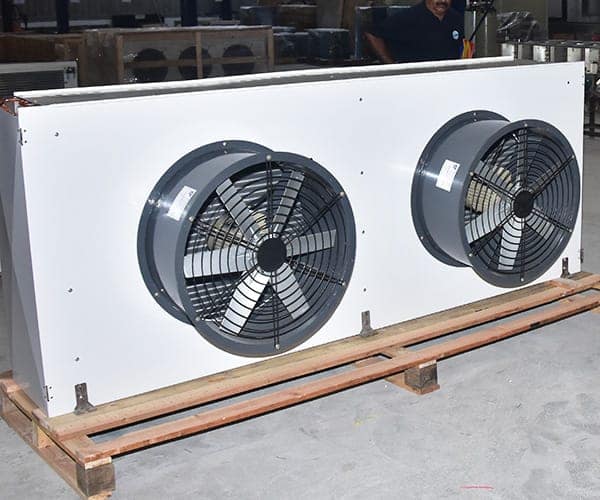
In industries dealing with perishable products—such as food processing, dairy, seafood, meat, and quick service restaurants (QSRs)—maintaining freshness is one of the biggest challenges. Products can spoil quickly due to microbial growth, temperature fluctuations, and improper storage conditions.
Traditional freezing methods often fail to preserve the original texture, taste, and nutritional value of products. This is where blast freezing becomes a game-changing solution.
Blast freezing is not just about freezing faster—it’s about preserving quality, extending shelf life, and reducing wastage. For businesses, it directly impacts profitability and operational efficiency.
What is Blast Freezing?
Blast freezing is a rapid freezing process where products are exposed to extremely low temperatures, typically ranging from -18°C to -40°C, using high-velocity cold air.
Unlike conventional freezing, which slowly reduces temperature, blast freezing works quickly to bring the core temperature of the product down in a short time.
How It Works
- High-speed cold air circulates around the product
- Heat is removed rapidly
- The product reaches freezing temperature quickly
This rapid process is the key to preserving product integrity.
Why Shelf Life Matters for Perishable Products
Short shelf life leads to:
- Increased food wastage
- Higher operational losses
- Frequent restocking
- Supply chain inefficiencies
Extending shelf life allows businesses to:
- Store products for longer durations
- Reduce spoilage
- Improve logistics and inventory management
The Science Behind Blast Freezing
To understand how blast freezing increases shelf life, it’s important to look at what happens during freezing.
1. Ice Crystal Formation
In slow freezing:
- Large ice crystals form
- Cell walls get damaged
- Texture becomes mushy after thawing
In blast freezing:
- Small ice crystals form
- Cell structure remains intact
- Product retains its original texture
2. Reduction in Microbial Activity
Microorganisms require favorable temperatures to grow.
Blast freezing:
- Rapidly reduces temperature
- Slows down bacterial growth
- Preserves food safety
3. Enzyme Activity Control
Enzymes can cause spoilage even at low temperatures.
Blast freezing slows enzyme reactions, helping maintain:
- Color
- Flavor
- Nutritional value
Key Ways Blast Freezing Increases Shelf Life
1. Rapid Temperature Reduction
The faster a product is frozen, the less time it spends in the “danger zone” (where bacteria grow rapidly). This significantly increases shelf life.
2. Preservation of Product Structure
By maintaining cell integrity, blast freezing ensures that products:
- Do not lose moisture
- Retain firmness
- Maintain visual appeal
This is especially important for meat, fruits, and bakery items.
3. Minimizing Moisture Loss
Slow freezing leads to dehydration and freezer burn.
Blast freezing:
- Locks in moisture
- Prevents weight loss
- Maintains product quality
4. Prevention of Bacterial Growth
Rapid freezing slows down microbial activity, reducing the risk of contamination and spoilage.
5. Extended Storage Capability
Products frozen using blast freezing can be stored for:
- Weeks to months (depending on product type)
- Without significant loss of quality
Industries That Benefit from Blast Freezing
1. Food Processing Industry
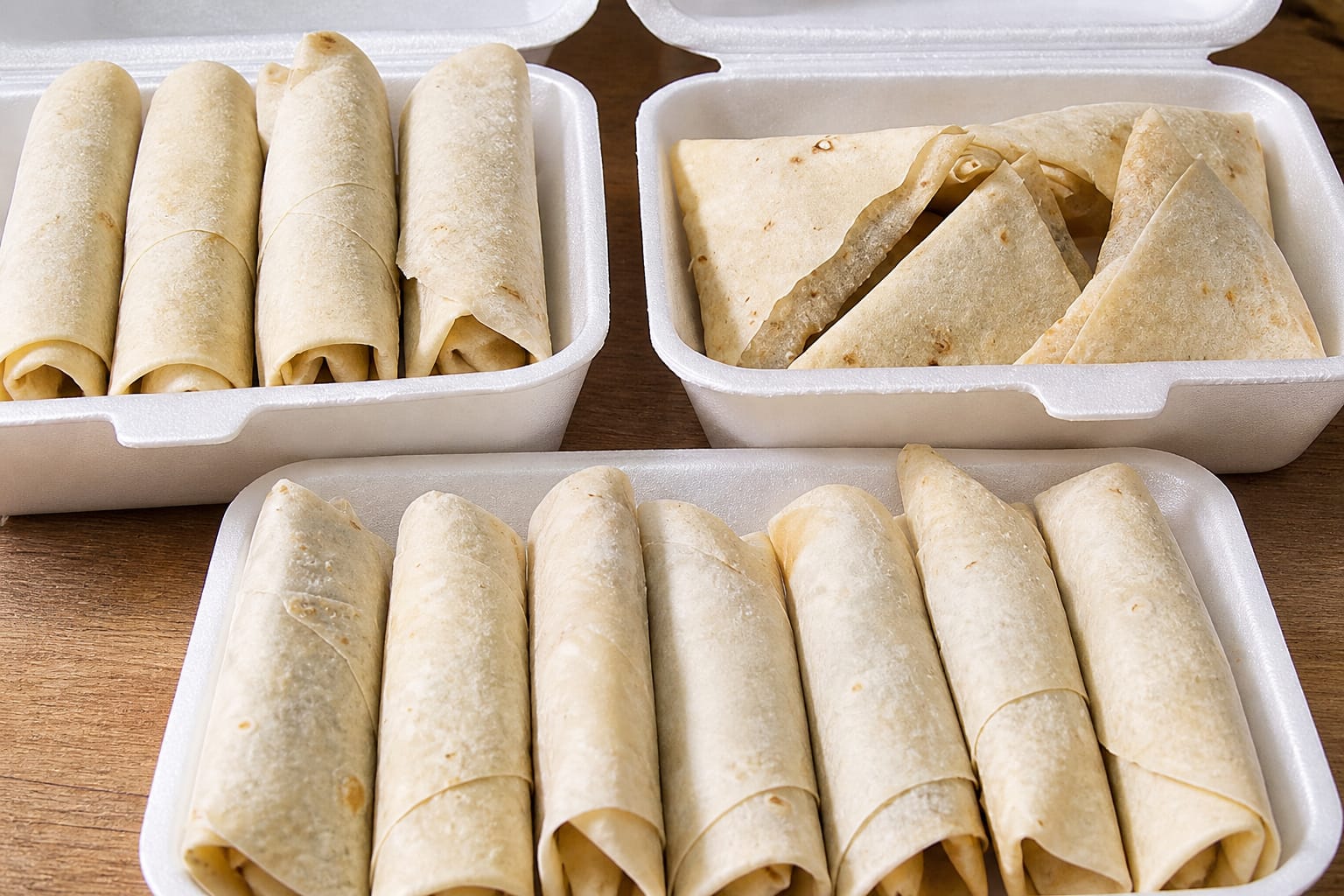
Used for freezing ready-to-eat meals, vegetables, and packaged foods.
2. Meat & Poultry
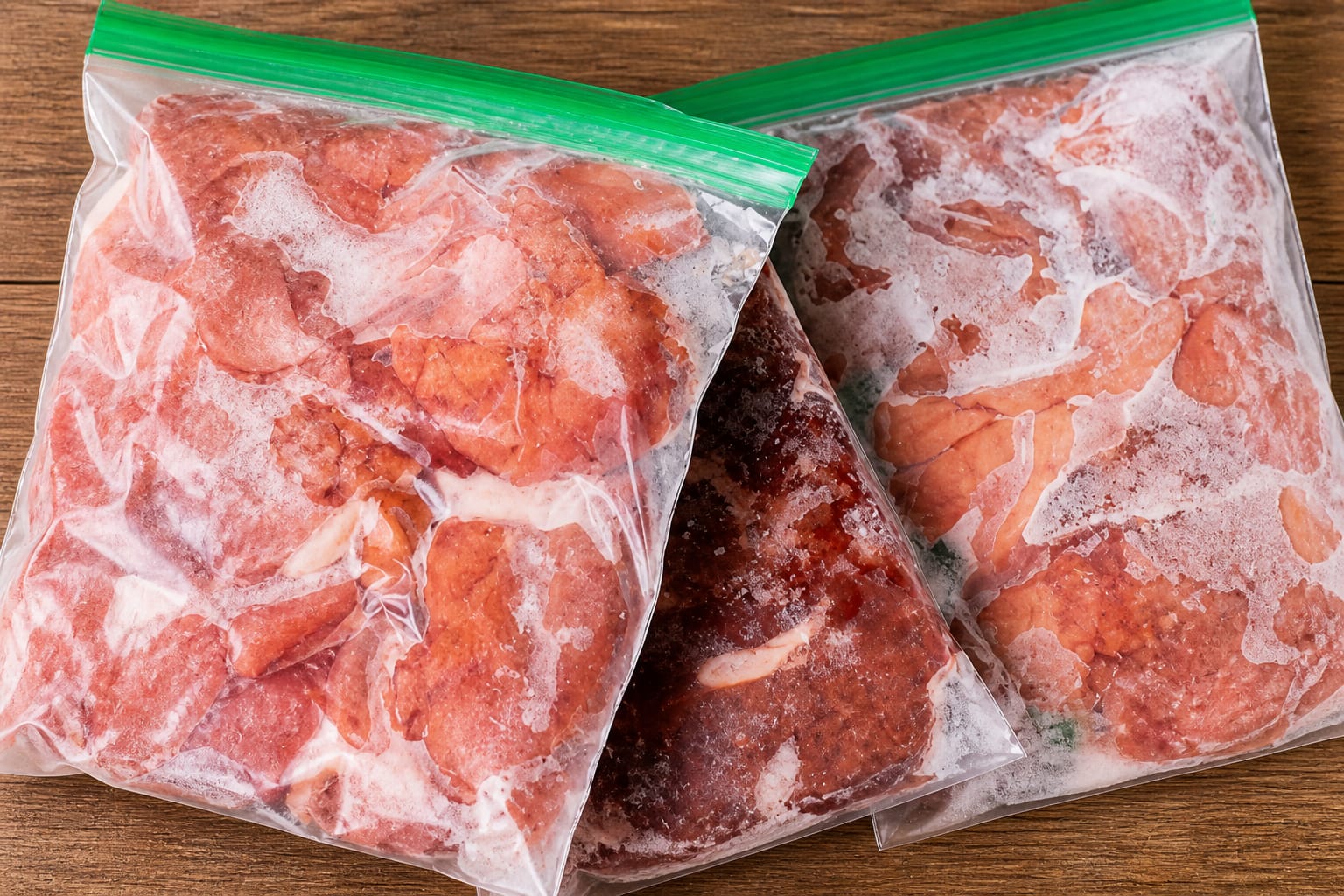
Modern meat processing refrigeration equipment combined with blast freezers helps maintain texture, color, freshness, and food safety while extending product shelf life.
3. Seafood Industry
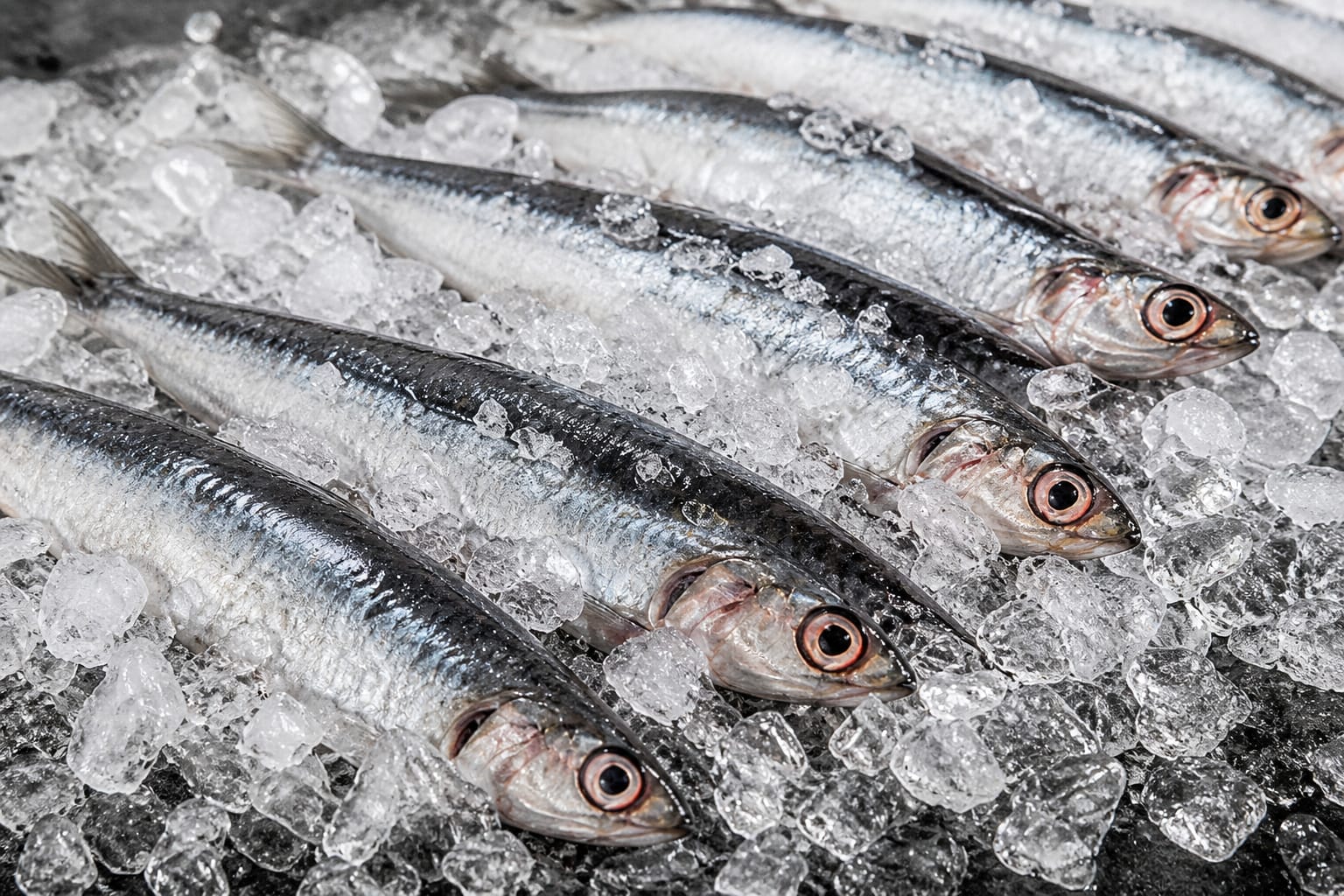
Prevents spoilage and maintains taste during transportation.
4. Dairy Industry

Used for products like ice cream and frozen desserts.
5. QSR & Cloud Kitchens

Enables bulk preparation and standardized quality across outlets.
6. Pharmaceutical Industry

Blast freezing and pharmaceutical cold rooms use advanced pharmaceutical cold storage equipment to maintain precise temperatures for vaccines, medicines, and other temperature-sensitive healthcare products while ensuring product safety and regulatory compliance.
7. Beverage Industry
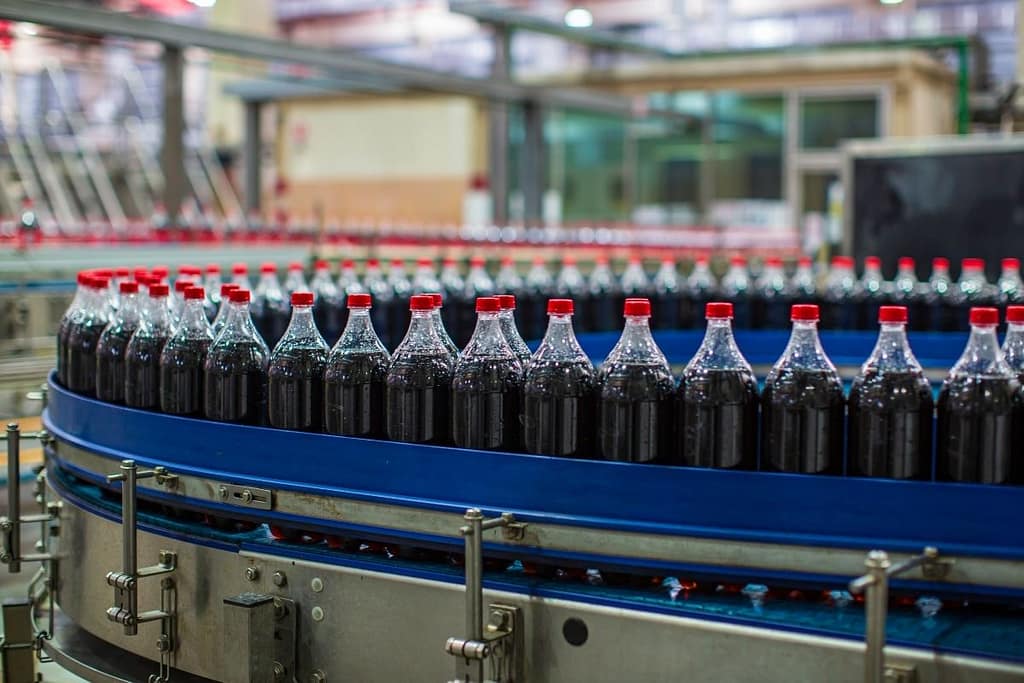
Beverage manufacturers rely on beverage storage cooling systems to maintain optimal temperatures for juices, dairy beverages, soft drinks, and other temperature-sensitive products during storage and distribution.
Business Benefits of Blast Freezing
1. Reduced Food Wastage
Less spoilage means higher profitability.
2. Better Inventory Management
Businesses can store products longer and plan supply efficiently.
3. Improved Product Quality
Maintains taste, texture, and appearance.
4. Cost Savings
Lower losses and optimized logistics reduce overall costs.
5. Scalability
Supports centralized production and multi-location distribution.
Blast Freezing vs Conventional Freezing
| Factor | Blast Freezing | Conventional Freezing |
| Freezing Speed | Very Fast | Slow |
| Ice Crystal Size | Small | Large |
| Product Quality | High | Moderate |
| Shelf Life | Longer | Shorter |
| Moisture Retention | Excellent | Poor |
Common Mistakes to Avoid
Even with blast freezers, improper usage can reduce effectiveness:
- Overloading the freezer
- Improper product spacing
- Not pre-cooling products
- Lack of maintenance
Following best practices ensures optimal performance.
Tips for Maximizing Shelf Life
- Maintain consistent temperature settings
- Use proper packaging to avoid contamination
- Regularly service equipment
- Monitor storage conditions
Future of Blast Freezing
With growing demand for frozen and ready-to-eat food, blast freezing technology is evolving:
- Energy-efficient systems
- Smart temperature monitoring
- Eco-friendly refrigerants
Businesses investing in modern solutions gain a competitive advantage.
Conclusion
Blast freezing is a powerful solution for extending the shelf life of perishable products. By rapidly reducing temperature, preserving structure, and minimizing microbial activity, it ensures that products remain fresh, safe, and high in quality for longer durations.
For industries dealing with perishables, adopting blast freezing is not just a technological upgrade—it’s a strategic move to reduce losses, improve efficiency, and scale operations.