

Why Cold Chain is Critical for QSR Success?
The Quick Service Restaurant (QSR) industry operates on speed, consistency, and quality. Whether it’s a burger chain, pizza outlet, cloud kitchen, or dessert brand, one factor silently determines success or failure—cold chain efficiency.
A broken or inefficient cold chain can lead to:
- Food spoilage
- Loss of taste and texture
- Increased operational costs
- Health and safety risks
- Brand reputation damage
In today’s competitive market, maintaining the right temperature from procurement to serving is not optional—it’s a necessity.
This is where Condensing Units (CDU), Indoor Units (IDU), and Blast Freezers play a crucial role in building a reliable cold chain system.
Understanding Cold Chain in QSRs
A cold chain is a temperature-controlled supply chain that ensures perishable products remain fresh and safe from production to consumption.
Typical Cold Chain Flow in QSRs:
- Procurement of raw materials
- Storage in central warehouse
- Processing/preparation
- Blast freezing (if required)
- Transportation
- Storage at outlet
- Final preparation & serving
At each stage, temperature control is critical.
Key Challenges Faced by QSRs in Cold Chain Management
Before understanding the solution, let’s look at common problems:
1. Temperature Fluctuations
Frequent door openings, poor insulation, or improper system design can lead to inconsistent cooling.
2. High Energy Consumption
Inefficient systems increase electricity bills significantly.
3. Food Wastage
Improper freezing or cooling leads to spoilage and shrinkage.
4. Space Constraints
Urban QSR outlets often have limited space for refrigeration systems.
5. Scalability Issues
As QSR chains expand, maintaining consistency across outlets becomes challenging.
Role of Condensing Units (CDU) in QSR Cold Chain
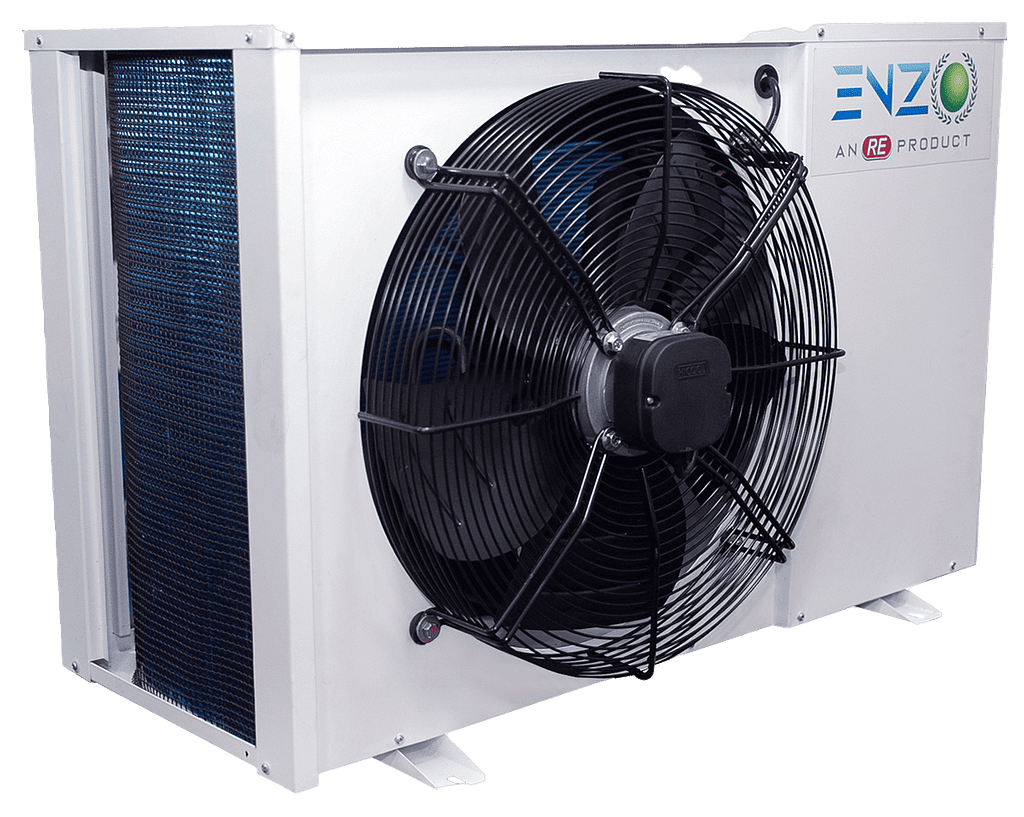
The Condensing Unit (CDU) is the heart of any refrigeration system. It is responsible for removing heat from the refrigerant and maintaining the cooling cycle.
Why CDU is Critical for QSRs
- Ensures consistent cooling performance
- Supports multiple refrigeration systems
- Impacts overall energy efficiency
- Determines system reliability
Applications of CDU in QSRs
- Walk-in cold rooms
- Freezer rooms
- Display refrigeration
- Blast freezer systems
Key Features QSRs Should Look For
- Energy-efficient compressors
- Low maintenance design
- Compact footprint
- Noise control (important for urban outlets)
- Compatibility with multiple evaporators (IDUs)
Business Impact
A well-designed CDU can reduce energy costs by up to 20–30% and improve system lifespan.
Role of Indoor Units (IDU) in QSR Cooling Systems
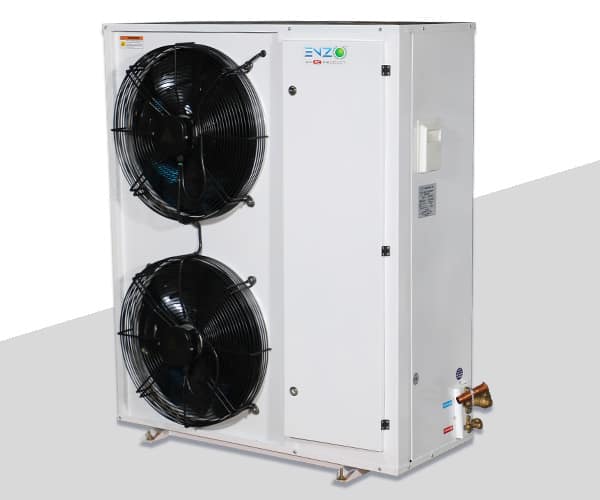
The Indoor Unit (IDU), also known as the evaporator, is responsible for distributing cold air inside the refrigerated space.
Why IDU Matters
- Ensures uniform temperature distribution
- Maintains product quality
- Prevents hotspots inside cold rooms
Applications in QSRs
- Walk-in chillers
- Walk-in freezers
- Kitchen cooling areas
Types of IDUs Used
- Ceiling-mounted evaporators
- Wall-mounted units
- Low-height units for compact spaces
Key Selection Factors
- Airflow design
- Coil efficiency
- Frost control mechanisms
- Ease of cleaning (important for hygiene compliance)
Business Impact
Proper IDU selection improves cooling efficiency and reduces product spoilage.
Role of Blast Freezers in QSR Operations
Blast freezers are designed to rapidly freeze food products at extremely low temperatures, typically between -18°C to -40°C.
Why Blast Freezing is Important
- Preserves food texture and taste
- Prevents bacterial growth
- Extends shelf life significantly
- Enables bulk preparation and storage
Applications in QSRs
- Freezing meat, poultry, seafood
- Pre-prepared meals
- Bakery products
- Ice cream and desserts
Key Benefits
- Faster freezing compared to conventional freezers
- Maintains product quality
- Reduces food wastage
- Supports centralized kitchen models
Business Impact
Blast freezers enable QSRs to standardize taste across multiple outlets.
How CDU, IDU & Blast Freezers Work Together
A high-performing cold chain system is not about individual equipment—it’s about integration.
System Workflow
- CDU generates cooling capacity
- IDU distributes cold air within storage areas
- Blast freezer rapidly freezes products
- System maintains consistent temperature throughout
Integrated Benefits
- Improved efficiency
- Reduced downtime
- Better temperature control
- Lower operational costs
Designing an Efficient Cold Chain for QSRs
1. Load Calculation
Understanding cooling requirements based on:
- Storage capacity
- Product type
- Ambient conditions
2. Equipment Selection
Choosing the right:
- CDU capacity
- IDU type
- Blast freezer size
3. Layout Planning
- Space optimization
- Airflow management
- Accessibility
4. Automation & Monitoring
- Temperature sensors
- Remote monitoring systems
- Alerts for system failure
Energy Efficiency: A Key Concern for QSRs
Energy costs are a major operational expense.
Ways to Improve Efficiency
- Use energy-efficient CDUs
- Optimize IDU airflow
- Proper insulation
- Regular maintenance
ROI Impact
Energy-efficient systems can significantly reduce monthly electricity bills.
Common Mistakes QSRs Make
- Choosing low-cost equipment over quality
- Ignoring proper system design
- Poor maintenance practices
- Lack of temperature monitoring
Future Trends in QSR Cold Chain
- Smart refrigeration systems
- IoT-based monitoring
- Eco-friendly refrigerants
- Modular cold storage solutions
Conclusion: Building a Reliable Cold Chain for Growth
Modern QSRs increasingly rely on advanced refrigeration solutions for food processing to maintain food safety, improve operational efficiency, and preserve product quality throughout the cold chain.
A strong cold chain ensures:
- Product quality
- Customer satisfaction
- Operational efficiency
- Business scalability
Investing in the right combination of CDU, IDU, and Blast Freezers is not just a technical decision—it’s a strategic business move. Choosing equipment from a trusted modular cold room equipment manufacturer helps QSR businesses build scalable and energy-efficient cold chain infrastructure that supports long-term growth.